For teams already running agents across every harness
The company your agents can't forget.
Your people and your agents rebuild the same context in five different tools, and lose it at every stack change. SynthWeave is the one shared record they all work from and write back to, so the work compounds instead of scattering. And when an agent goes to change something that matters, it is held for a human first.
Free to start, no card. No call, no demo. Try to make an agent overwrite something, and watch whether the write lands.

The rebuild tax
You are not rebuilding your tools. You are rebuilding the decisions underneath them.
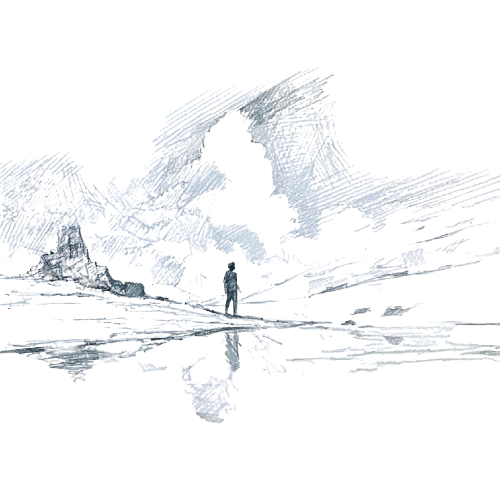
An engineer opens a fresh agent session. Before any real work starts, she is re-explaining the auth flow, the naming convention, the thing the other pod already tried and dropped. She does it most mornings, and she is not the only one on the team who does.
The fix you already installed makes that bearable. Markdown in the repo, a memory directory, a root AGENTS.md, a few hooks. It works at single-player scale, and it is right about one thing: context belongs where the work is.
Then the team grows, and the harness changes. A second author adds a rule that contradicts the first. The third migration leaves the context behind. Five tools each hold their own copy, and the copies drift. And the rules you wrote turn out not to be binding, because a text file can describe a rule but it cannot stop an action. The agent reads it, and quietly finds its way around it anyway.
None of this is a memory problem. Storage is solved, and you solved it. It is a coordination problem: the moment more than one person, or more than one agent, or more than one harness depends on the same context, nobody is working from the same thing.
What it is
One record your whole company works from.
SynthWeave is the shared operating record for a company that runs on agents. Your people and your agents both read it and both write to it: what the company knows, what it has decided, and what it is doing. One permissioned world model, not five copies in five repos.
Because everyone and every agent works from the same record, the work compounds. What one engineer's agent figures out, the next one starts from. What the ads learn today sharpens the pages tomorrow. Nothing re-onboards, and nothing resets at the next stack change.
Other tools give an agent memory, or give a team a wiki. SynthWeave is the one place people and agents coordinate: the company's decisions kept as a shared, permissioned record that a person can open and an agent can query.
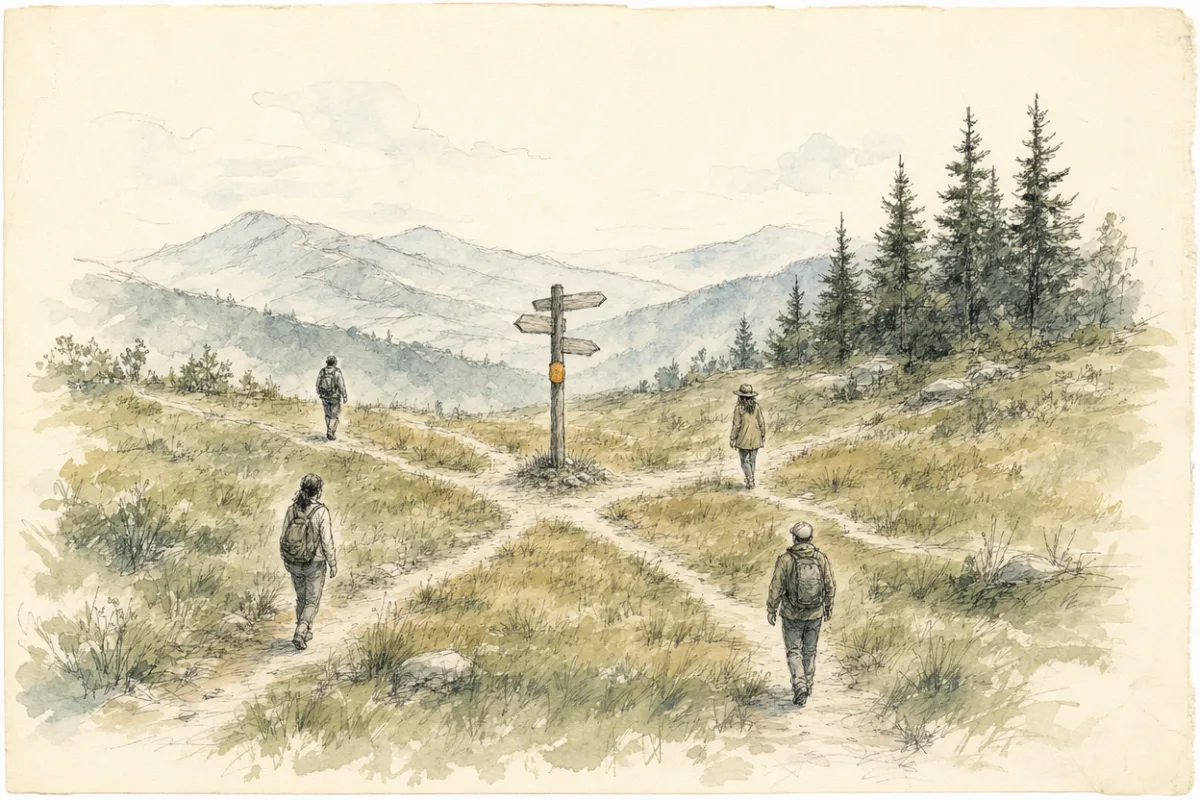
How it holds together
Four things have to be true at once.
One record everyone works from
People and agents read and write the same permissioned substrate over MCP: snips, bases, and projects with hybrid search. Not five copies that drift apart.
It compounds across the team
Context survives the session, the teammate, and the stack change. The record is worth more in month twelve than in month one, because nothing re-onboards.
Held before it lands
When an agent goes to change something consequential, the platform holds the write as a proposal until a human accepts it. Stopped before it happens, not logged after.
Yours, on any harness
It sits above any single model or harness: Claude Code, Cursor, Codex, your own. The context is a company asset, not locked to a single model vendor.

One limit worth knowing on day one. The automatic gate covers edits to existing documents (snip_rewrite and snip_patch). Creating new documents and changing metadata are not gated yet, and it depends on auto-accept being off. Enforcement is server-side at the data plane, not a rule written into a prompt.
Artifacts, not adjectives
How teams hold agent context, including what each approach costs you.
| Capability | SynthWeave | Markdown in git | LangGraph / n8n | What you lose without it |
|---|---|---|---|---|
| Shared | One team record, both write | Files per repo, read-shared | State per graph or workflow | Live state the whole team can trust |
| Bound | Held before the write lands | Described, not enforced | A gate you author into the flow | The halt at the line, as a platform primitive |
| Survives | Kept across harnesses | Kept history, per repo | Tied to the tool | Runtime memory when the stack changes |
| Owned | A company asset, above any vendor | Yours in the repo | Bound to the tool | Nothing here. It stays yours |
Read the code first
Every run is a record you can read.
The proof is not a claim about reliability. It is the run trace itself. Eight steps from open file to close run, and the one consequential write marked held, waiting for a human to accept. You can read exactly where the halt lands, before you sign up.
77 live MCP tools
113-tool agent registry
read + write by people and agents both
hybrid search across snips, bases, projects
snips· the unit of record
bases / projects· how they organize
row-level security· per-org, at the data plane
isolated sandbox· real code runs in E2B
 We run our own operation on this. Roughly 50 production tools and live brands, scars included. That is the proof line, and it is ours, not a customer's.
Coordination in action
Run a whole marketing team on SynthWeave.
Not one agent. A full marketing function, all working from the same shared record: the ads, the creative, and the landing pages. Sutton is one such function, a full-funnel AI marketing operator that proposes every real budget move for a human to accept first. Sutton and SynthWeave are the same company, not a partnership to decode. Sutton is that operation forward-deployed into a client's business, and it runs on SynthWeave the way everything we build does. Every Sutton engagement gets its own SynthWeave deployment: a dedicated org, provisioned at the start, where that client's shared record and everything the agents produce for them lives. It runs on SynthWeave, and you can deploy it today.
The platform underneath Sutton, in full: Technology
Find the price
The price is on the page. No call, no quote.
Start free with 50,000 credits, no card. After that, seats fund your people and a shared credit pack funds the autonomous work. You set a hard cap, so there is no surprise bill.
Starter
$20 / user / mo
20,000 credits a month, per seat.
Pro most teams
$50 / user / mo
55,000 credits a month, per seat.
Ultra
$100 / user / mo
120,000 credits a month, per seat.
Seats for the people, a shared credit pack for the agents. Prepaid packs cover autonomous work and any overage; credits are roughly 1,000 to the dollar. The 50,000-credit trial funds everything while you look around, no seat and no card.
Where does it hurt?
Four ways in.
Your agents keep redoing what the team already decided.
One shared record the whole team's agents read and write, so what one figures out, the next one starts from.
Rules ignoredYou wrote the rule. The agent ignored it.
A file can describe a rule. The platform holds the write until a human accepts it.
Acting on prodLet agents act without letting them act alone.
Know the blast radius before an agent touches prod, spend, or customer data. And the honest limit on what we isolate.
Rebuild taxStop rebuilding your context every stack change.
The rebuild tax has no invoice. Buy the plumbing so the team stops rebuilding decisions, on any harness.
Run it yourself
You wrote the rule. Make sure the agent has to keep it.
Start free and run it yourself. Try to make an agent overwrite something, and watch whether the write lands. No call, no demo booking.